ServicesWindow Replacement
Window Replacement in Irvine
We remove worn windows that stick, fog up or leak air, and set new units built to fit each opening. We'll lay out how vinyl, fiberglass and aluminum frames compare, so you can choose what suits your home.
What window replacement means for your home
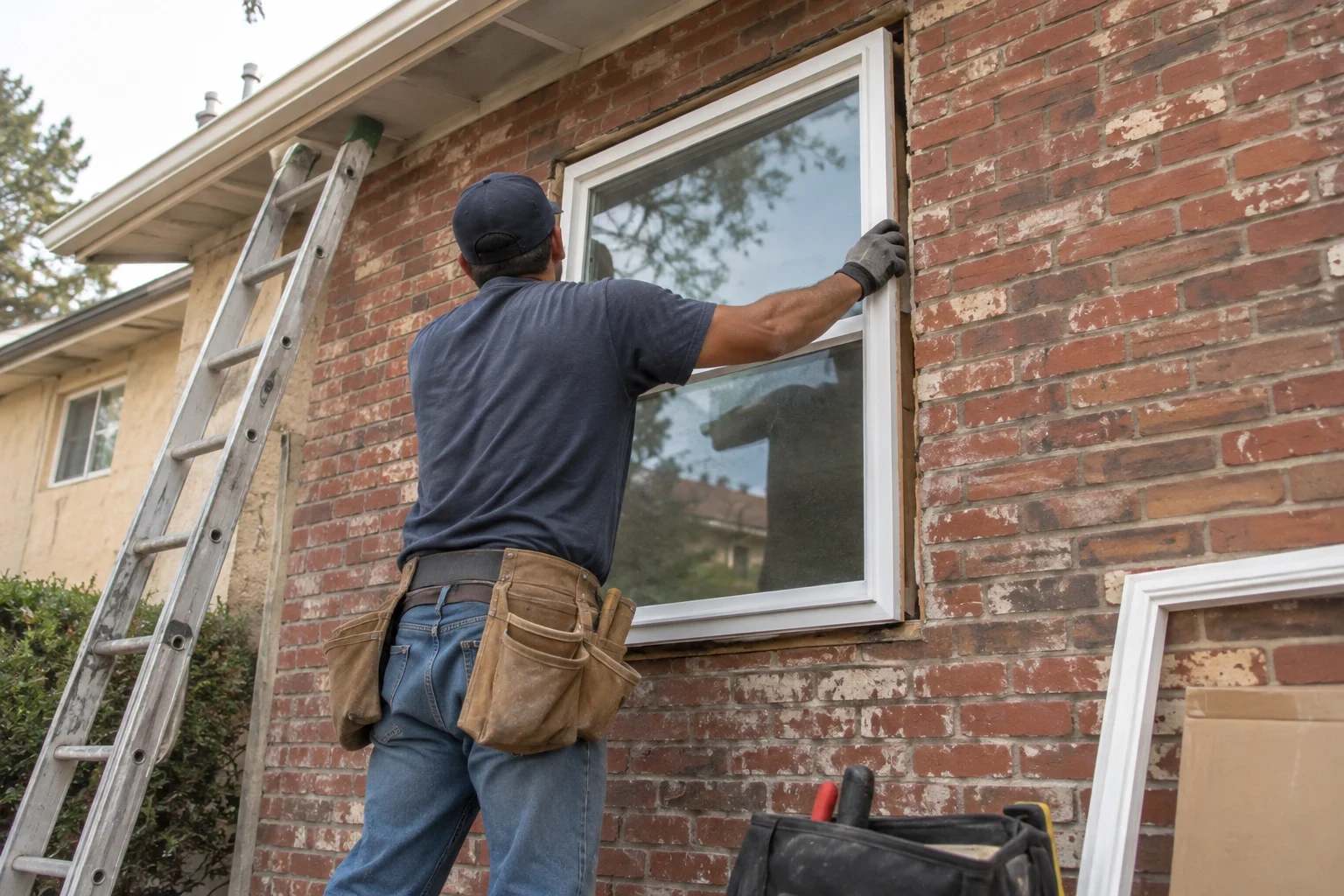
Window replacement means taking out the whole old unit, glass and frame, and setting a new window made to fit the opening. It is the right call when the frame is the problem: bent aluminum tracks, broken seals, sashes that stick or let in dust and wind.
The biggest choice is the frame. Vinyl is the most common pick. It insulates well, never needs paint and costs the least. Fiberglass costs more, but it barely moves with heat and cold, so it keeps its shape and seal on sunny walls. Aluminum gives the thinnest frames and the most glass, but it passes heat easily unless it has a thermal break.
Plenty of homes around Irvine still have the original aluminum sliders. Swapping those out is usually where you feel the biggest change in comfort. We look at each opening, tell you what makes sense there and let you decide.
Every part of the job, start to finish
- Exact measurements
- Our crew measures every opening at the top, middle and bottom. Windows are built to order, so getting the numbers right is what makes them fit on the first try.
- Frame and glass advice
- We go over vinyl, fiberglass and aluminum, plus glass options like low-E coatings and tempered glass where code calls for it. You hear the trade-offs in plain words.
- Removal and haul-away
- We pull the old windows and take them with us. No old frames or broken glass left in your yard.
- Setting, shimming and sealing
- Each new window goes in level and square, gets shimmed and fastened, then sealed against water and air. A window set crooked will stick and leak no matter how well it was built.
- Trim and cleanup
- We finish the trim inside and out, try every sash and lock, and clean the work area before we pack up.
Signs it's time to replace your windows
Fog trapped inside the glass
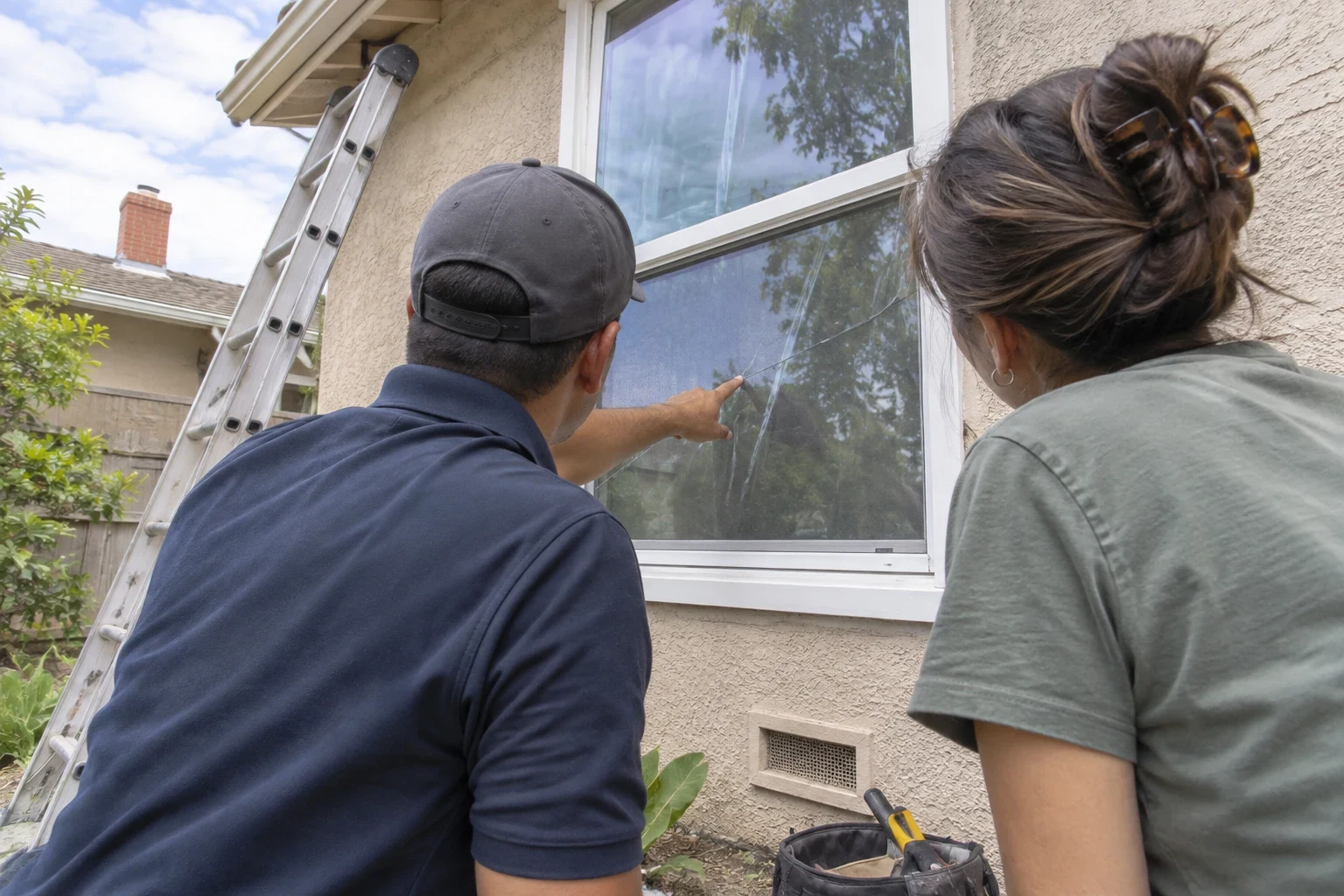
When a cloudy film sits inside a dual-pane window and no cleaning touches it, the seal around the glass has failed. The insulating gas is gone, and that window will stay cloudy for good.
Sliders that fight you
Older aluminum sliders wear down their rollers and tracks. If you have to lift and shove to open one, it is near the end of its life.
Drafts and dust on the sill
Worn weatherstripping and loose frames let in air, dust and pollen. You feel it on windy days and see it on the sill.
Hot rooms and faded furniture
Single-pane glass lets heat and sun pour in. If one room always runs hot or your floors and fabrics are fading, the glass is part of the problem.
Street and yard noise
Thin single-pane glass does little to block sound. Dual-pane windows make a clear difference in bedrooms that face the street.
What sets the price
Every home is a little different, so we price after we've seen your windows. The estimate lists what we're doing at each opening. A few things move the number more than anything else.
Frame type
Vinyl is the lowest cost. Fiberglass and thermally broken aluminum cost more but bring their own strengths, and we'll tell you where each one pays off.
Retrofit or full frame
A retrofit fits the new window into the old frame and leaves the stucco alone. Pulling the whole frame means cutting and patching stucco, which adds labor. Our Window Retrofitting page explains the difference.
Size, count and glass
Bigger windows and more of them cost more. Tempered glass near doors and tubs, low-E coatings and special shapes also add to the price.
Access
Second-story windows and openings behind decks or in tight side yards take more time and sometimes extra equipment.
How the work goes
- 1
Estimate at your home
We come out, look at every window, measure and talk through frames and glass with you. You get a written estimate and time to think it over.
- 2
Ordering your windows
Once you pick your windows, we order them built to your measurements. We set an install date as soon as we know when they'll arrive.
- 3
Install day
We lay down drop cloths, take out the old units one at a time and set the new ones. Each room is only open for a short stretch, so your home isn't left exposed.
- 4
Walkthrough
We open and lock every window with you, show you how to tilt or clean them and clean up before we go. If something isn't right, we fix it then.
Window replacement questions
Which frame should I pick?
For most homes, vinyl gives the best value. It insulates well and needs no paint. On walls that bake in the afternoon sun, or if you want a darker color, fiberglass holds up better because it barely expands. Aluminum makes sense when you want slim frames and lots of glass.
Will you have to tear up my stucco?
Usually not. Most replacements here are retrofits, where the new window fits inside the old frame and the stucco stays put. If a frame is damaged and has to come out, we'll tell you before we start and explain the patch work.
How long does the install take?
It depends on how many windows you have and how they go in. A typical retrofit window takes a few hours. We'll give you a realistic schedule for your home at the estimate.
Do I need to be home on install day?
We need someone to let the crew in when we arrive and to check the windows with us once we're done. You don't have to watch the work. Please clear a path to the windows and take anything fragile off the sills before we come.
Will I get pushed to sign at the estimate?
No. We give free in-home estimates with no sales pressure or obligation. We measure, explain your options, leave the written numbers with you and let you decide on your own time.
Find out which windows fit your home
We'll check each window, take measurements and explain your frame and glass options. The written numbers are yours to keep and compare.